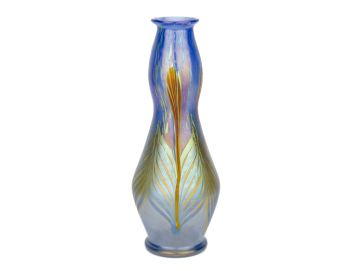
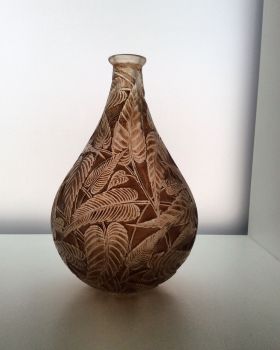
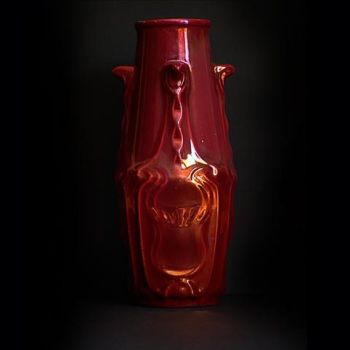
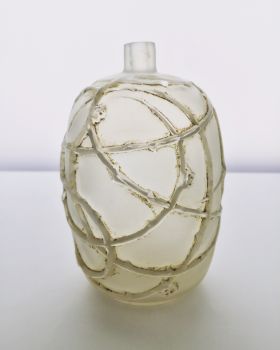
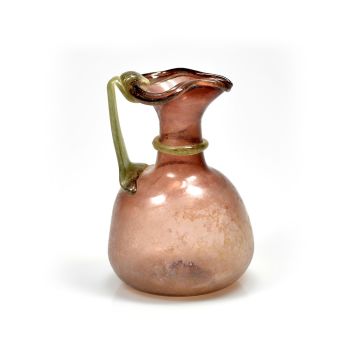
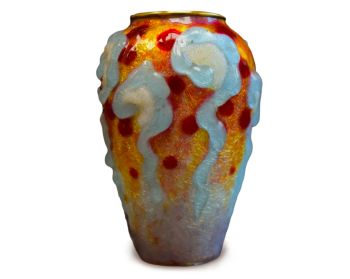
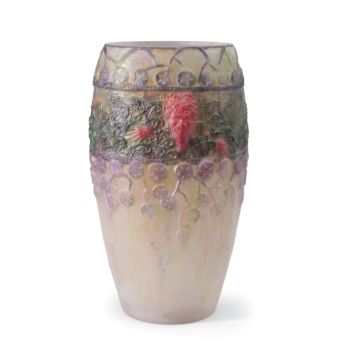
Johann Loetz Witwe – Phänomen Genre 1/473 vase 1901 - 1902
Johann Loetz (Lötz) Witwe Klostermühle
25 cm, ø 13 cm
ConditionExcellent
€ 5.950
Antiques Emporium
Sind Sie daran interessiert, dieses Kunstwerk zu kaufen?
Related artworks

Johann Loetz (Lötz) Witwe Klostermühle
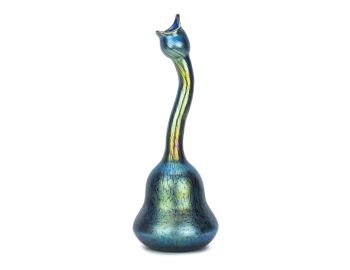
Johann Loetz Witwe – Phänomen Genre 1/18 vase1901 - 1905
Preis auf AnfrageAntiques Emporium

Johann Loetz (Lötz) Witwe Klostermühle
Johann Loetz Witwe – Phänomen Genre 8065 – Thea1899 - 1900
Preis auf AnfrageAntiques Emporium

Johann Loetz (Lötz) Witwe Klostermühle
Johann Loetz Witwe – Phänomen Genre 299 – Tricolor vase1900 - 1902
Preis auf AnfrageAntiques Emporium

Johann Loetz (Lötz) Witwe Klostermühle
Johann Loetz Witwe – Phänomen Genre 377- silver overlay1900 - 1902
Preis auf AnfrageAntiques Emporium
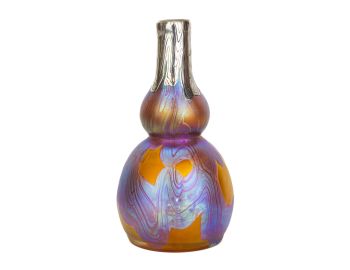
Johann Loetz (Lötz) Witwe Klostermühle
Johann Loetz Witwe - Phänomen Genre 7773 – Orange1900 - 1910
Preis auf AnfrageAntiques Emporium
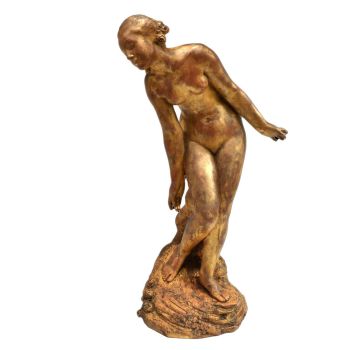
Johann Loetz (Lötz) Witwe Klostermühle
Johann Loetz Witwe – Phänomen Genre 299 – Tricolor vase1900 - 1902
Preis auf AnfrageAntiques Emporium

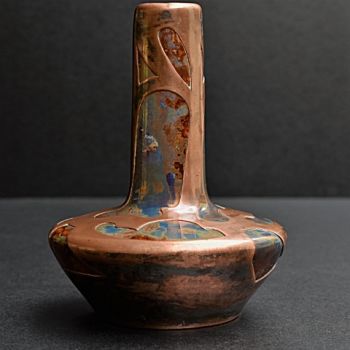

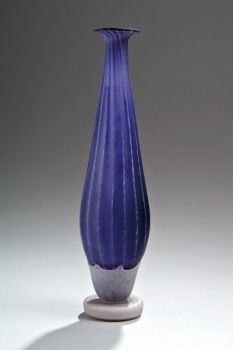

Unbekannter Künstler
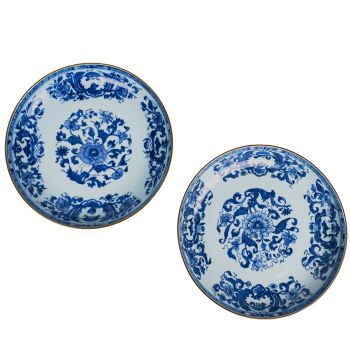
Set Arita 'dog training' plates, 18th century 1700 - 1730
Preis auf AnfrageVerkoulen Oriental & European Antiques
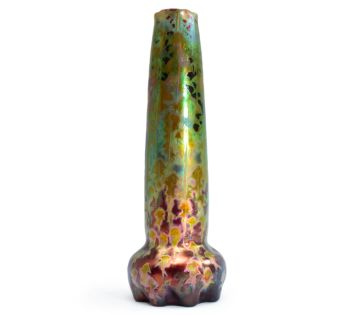

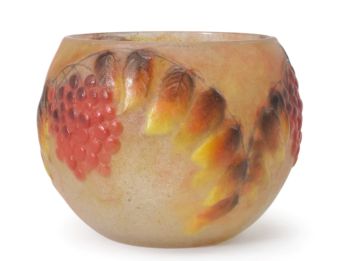
Johann Loetz (Lötz) Witwe Klostermühle
Johann Loetz Witwe – Phänomen Genre 377- silver overlay1900 - 1902
Preis auf AnfrageAntiques Emporium
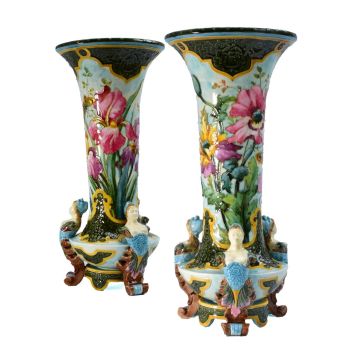


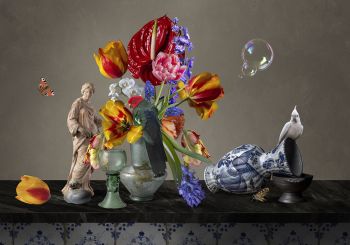

Frères Foundry Susse
Auguste Ledru – Gilded Bronze Art Nouveau Ewer-Vase – Susse Frères, Paris1898 - 1902
Preis auf AnfrageAntiques Emporium
Johann Loetz (Lötz) Witwe Klostermühle
Johann Loetz Witwe – Phänomen Genre 8065 – Thea1899 - 1900
Preis auf AnfrageAntiques Emporium


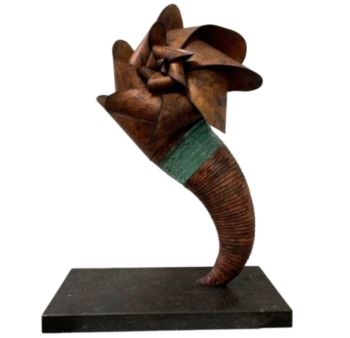


Victor Spinelli
Diver Up - Bronze (Edition of 33)2020 - 2026
Preis auf AnfrageVilla del Arte Galleries



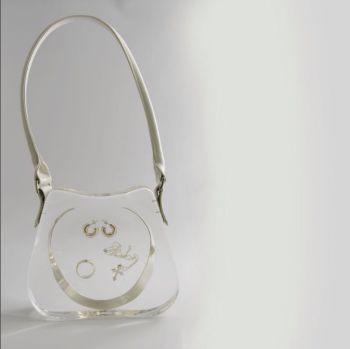
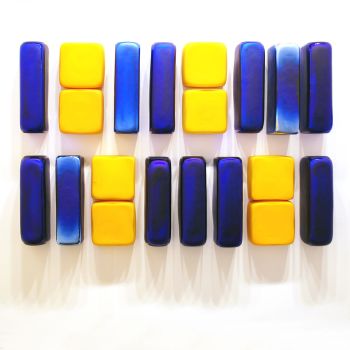
Rene Rietmeyer
"Venezia and Murano September 2007"2007
Preis auf AnfrageEuropean Cultural Centre Collection

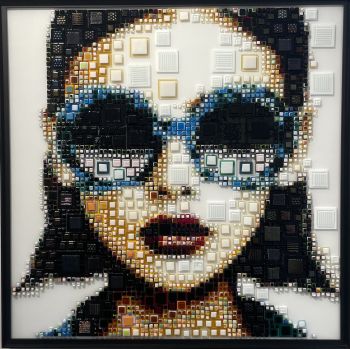
Johann Loetz (Lötz) Witwe Klostermühle
Johann Loetz Witwe – Phänomen Genre 377- silver overlay1900 - 1902
Preis auf AnfrageAntiques Emporium
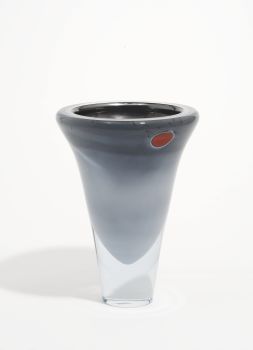

Daum Nancy
Daum Nancy – Tall Bryones / Bryonia dioica vase with applied berries1902 - 1907
Preis auf AnfrageAntiques Emporium
Johann Loetz (Lötz) Witwe Klostermühle
Johann Loetz Witwe – Phänomen Genre 299 – Tricolor vase1900 - 1902
Preis auf AnfrageAntiques Emporium
Johann Loetz (Lötz) Witwe Klostermühle
Johann Loetz Witwe – Phänomen Genre 1/18 vase1901 - 1905
Preis auf AnfrageAntiques Emporium
Johann Loetz (Lötz) Witwe Klostermühle
Johann Loetz Witwe – Phänomen Genre 8065 – Thea1899 - 1900
Preis auf AnfrageAntiques Emporium
Johann Loetz (Lötz) Witwe Klostermühle
Johann Loetz Witwe – Phänomen Genre 377- silver overlay1900 - 1902
Preis auf AnfrageAntiques Emporium

Johann Loetz (Lötz) Witwe Klostermühle
Johann Loetz Witwe - Phänomen Genre 7773 – Orange1900 - 1910
Preis auf AnfrageAntiques Emporium
Frères Foundry Susse
Auguste Ledru – Gilded Bronze Art Nouveau Ewer-Vase – Susse Frères, Paris1898 - 1902
Preis auf AnfrageAntiques Emporium
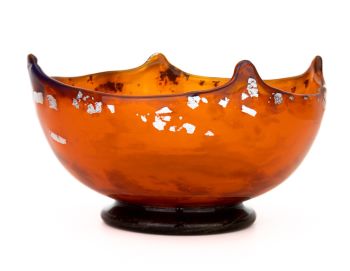

Unbekannter Künstler
François-Théodore Legras – Tall “Fleurs de Pommier” apple blossoms vase1900 - 1909
Preis auf AnfrageAntiques Emporium